The nut that goes in is not the nut that comes out
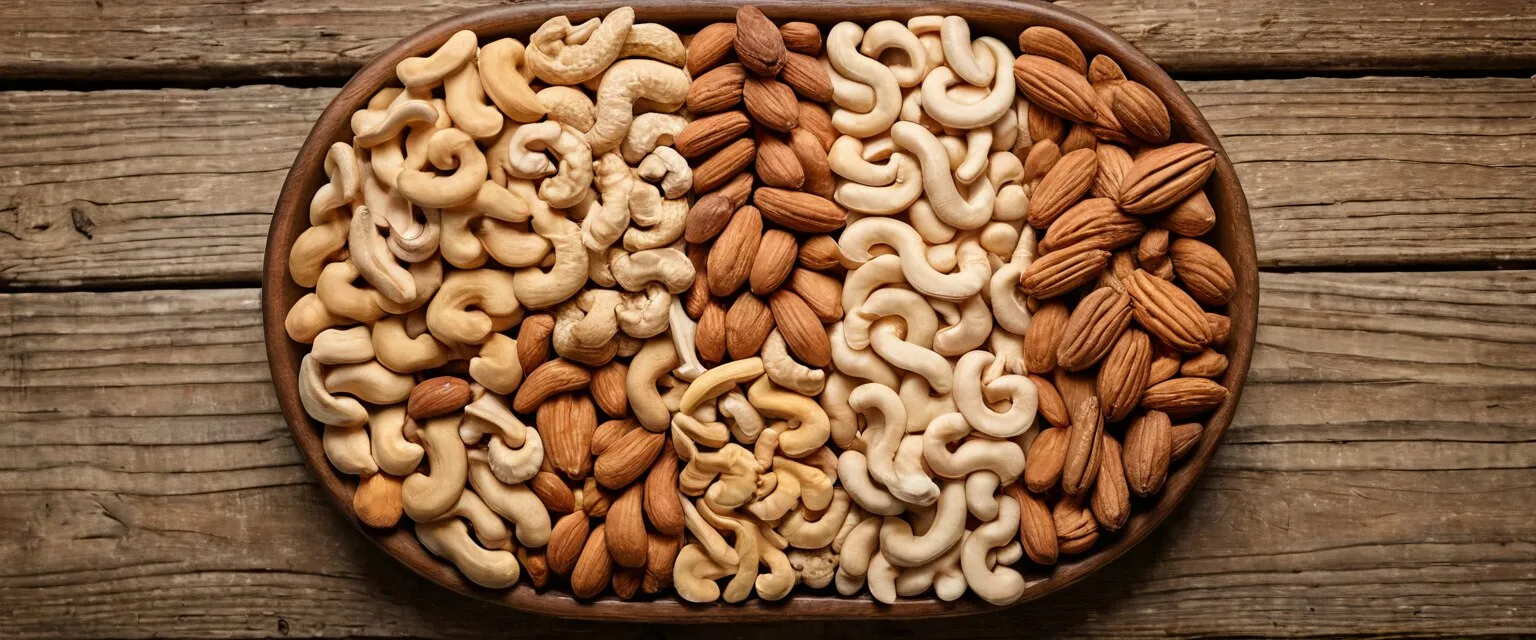
Put a raw almond and a roasted almond side by side and the difference is not that one is warmer. They are different foods. The raw one is dense, slightly waxy, faintly sweet and mostly quiet. The roasted one snaps, smells of something, and carries flavour that was not present in the raw nut at all — not concentrated, not amplified, created.
That distinction is worth understanding, because it explains almost everything else about nut roasting: why the window is narrow, why carry-over ruins batches, and why a nut that looks right can taste of nothing.
Four things happen at once
Water leaves
Even a properly cured nut carries a few percent moisture. Until most of that is gone, the nut cannot climb much past the boiling point of water no matter how hard you push the heat, because the energy going in is spent boiling water off rather than raising temperature. This is why the first stretch of a roast feels like nothing is happening. Something is: you are drying, and you cannot brown a wet surface.
That water is also what makes a raw nut bend rather than break. Drive it off and the texture changes on its own, before any browning has occurred.
Oil moves to the surface
Nuts run roughly a quarter to three-quarters fat, which is far more than almost anything else you would put in a roaster. Heat thins that fat and it migrates outward through the kernel. The faint sheen on a roasted nut is oil that used to be inside it.
This is doing two things at once. It is why a roasted nut reads as richer on first contact — fat is the carrier for most of the aroma. It is also the beginning of your storage problem, because oil sitting on the outside of a warm nut is oil exposed to air. More on that in storing roasted nuts and how rancidity works.
Browning
Once the surface is dry and hot enough, the sugars and proteins in the nut start reacting with each other. This is where the flavour is actually made, and it is a chemical event with a threshold, not a gradual warming. Below it, very little happens. Above it, a great deal happens quickly, and faster the hotter you go.
The sequence matters. Water first, browning second. Try to run them together by pushing hard from the start and you get a browned exterior wrapped around a kernel that is still wet — which has a name and a fix, covered in nut roast defects.
The texture sets
The crispness of a roasted nut is a structural change, not a temperature. The internal structure stiffens as water leaves and protein sets, and the fracture goes from leathery to brittle. Note that this finishes on the way down, not on the way up: nuts pulled at the right point often feel disappointingly soft in the hand and only turn properly crisp as they cool. Judging texture on a hot nut is how people talk themselves into two more minutes they did not need.

